Snarm
—
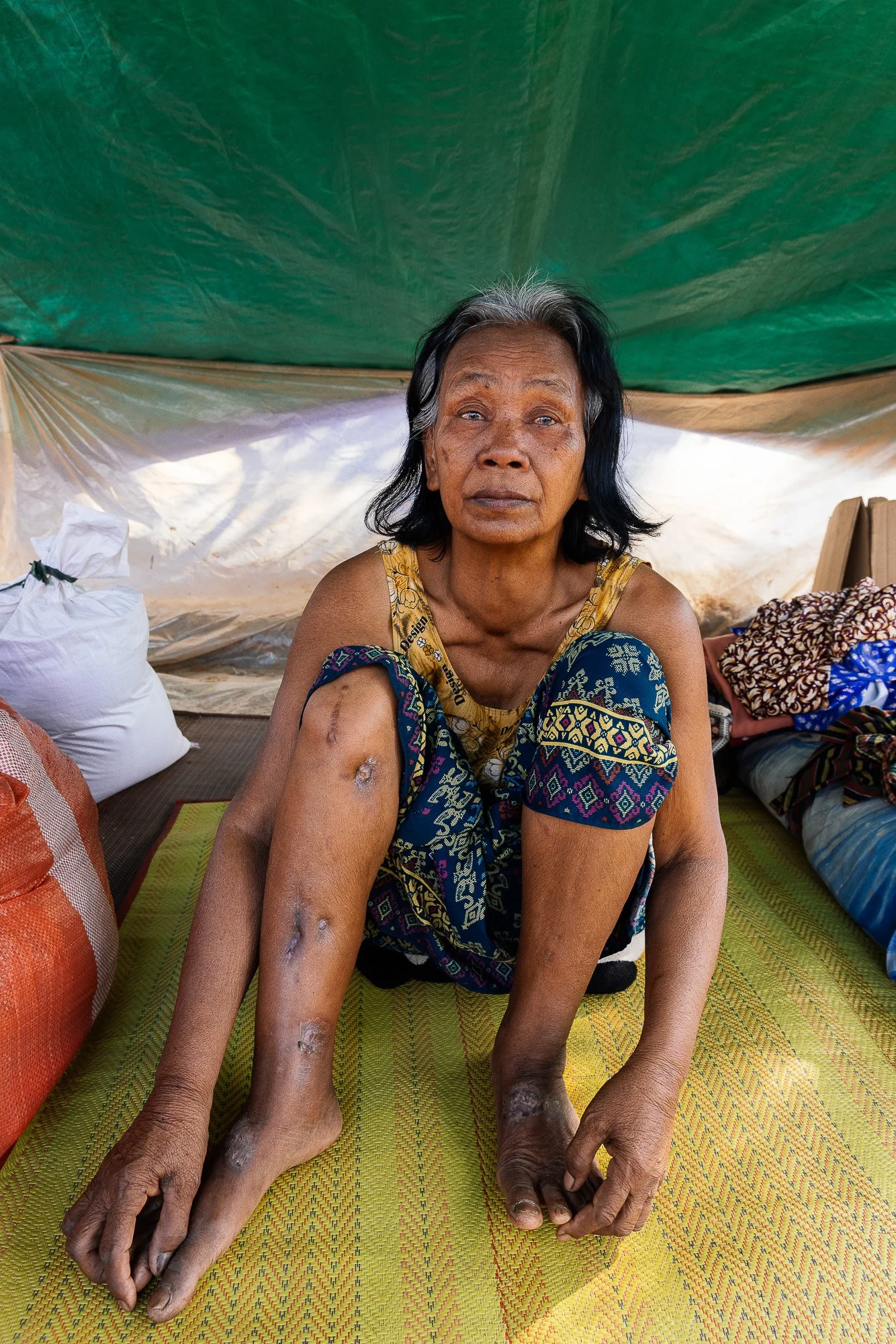
Snarm takes its title from the Khmer word meaning both a scar and a trace. The project explores how experiences of displacement leave marks that linger over time, shaping understandings of home not as something fixed, but as something continually formed in response to changing conditions.
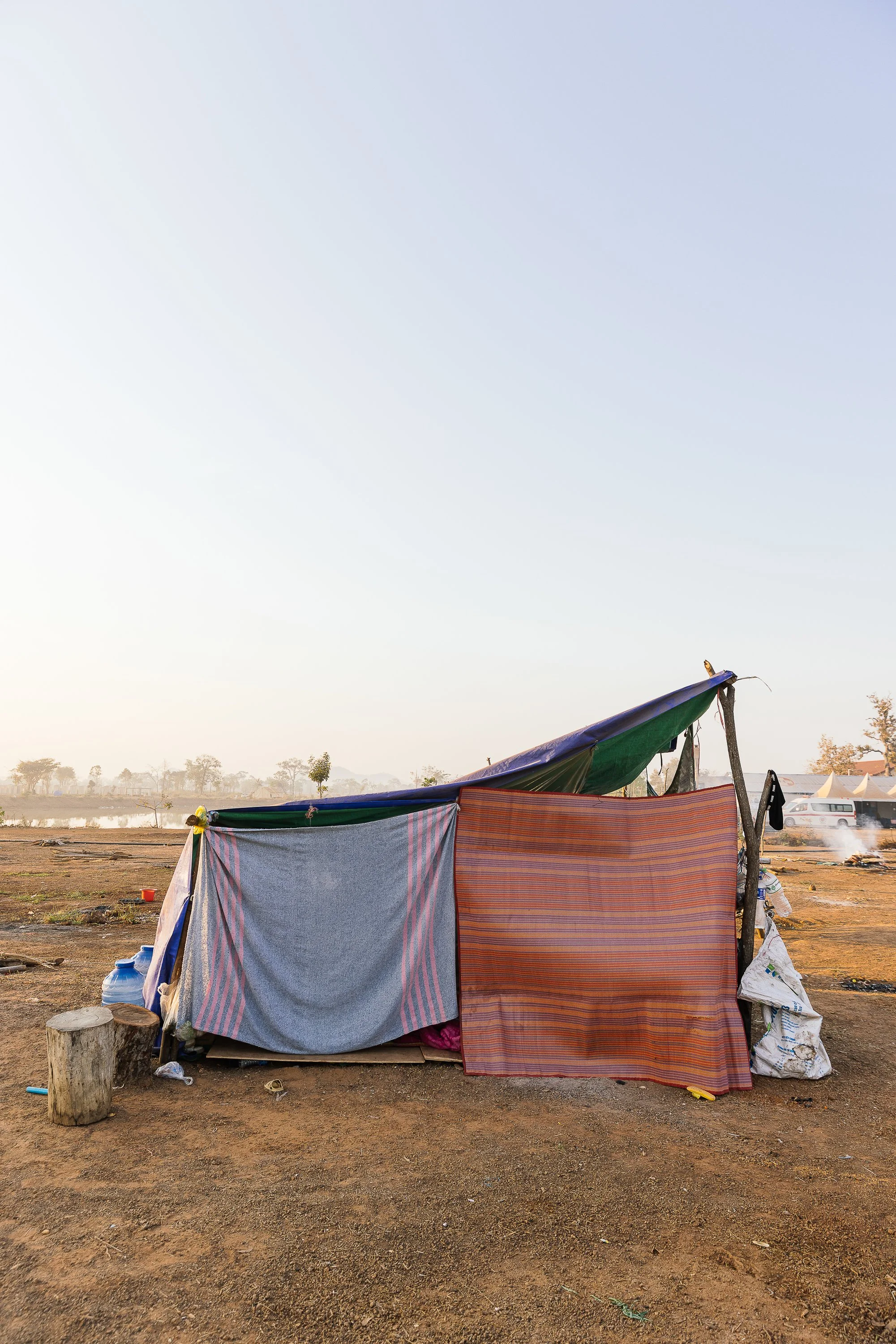
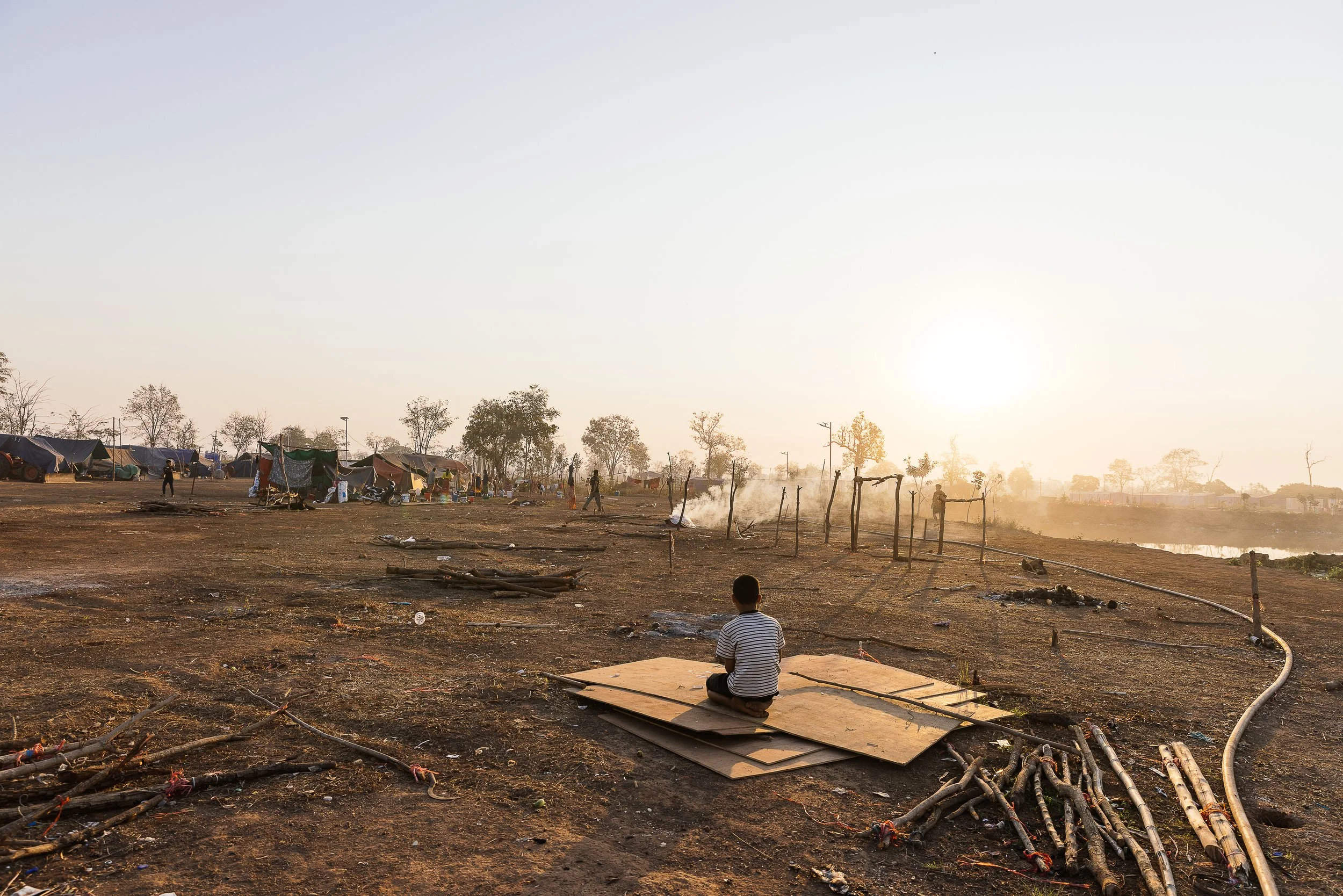
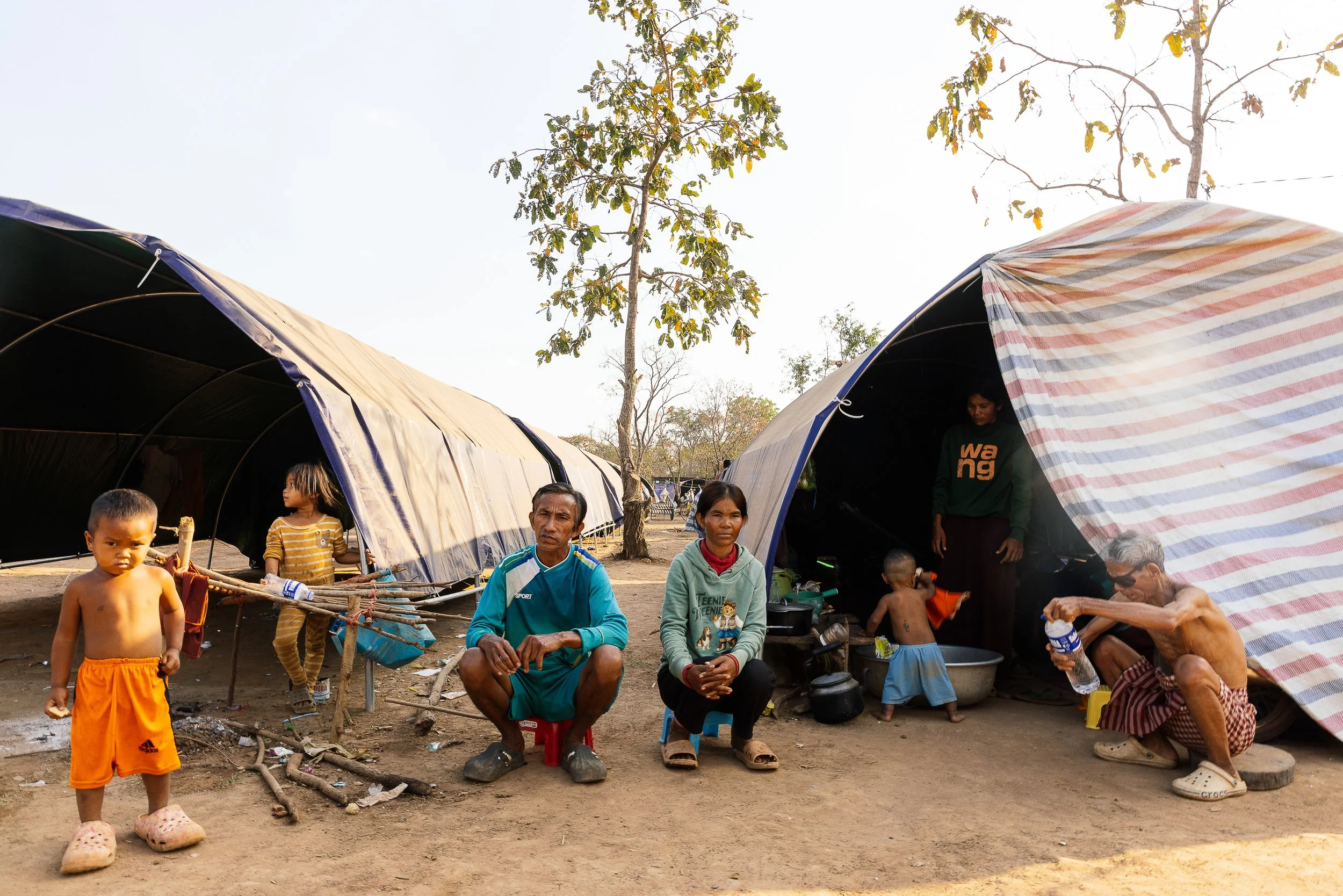
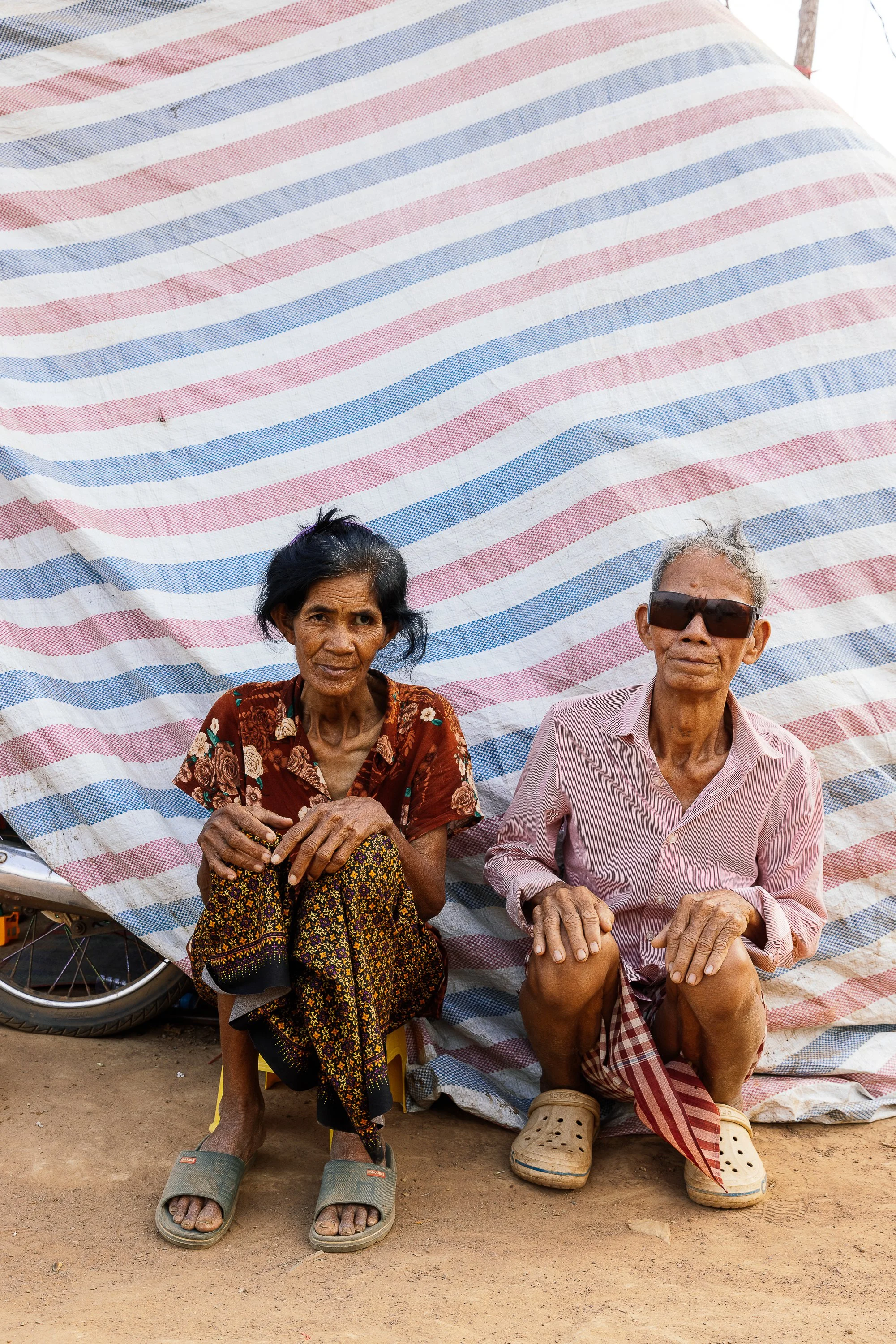
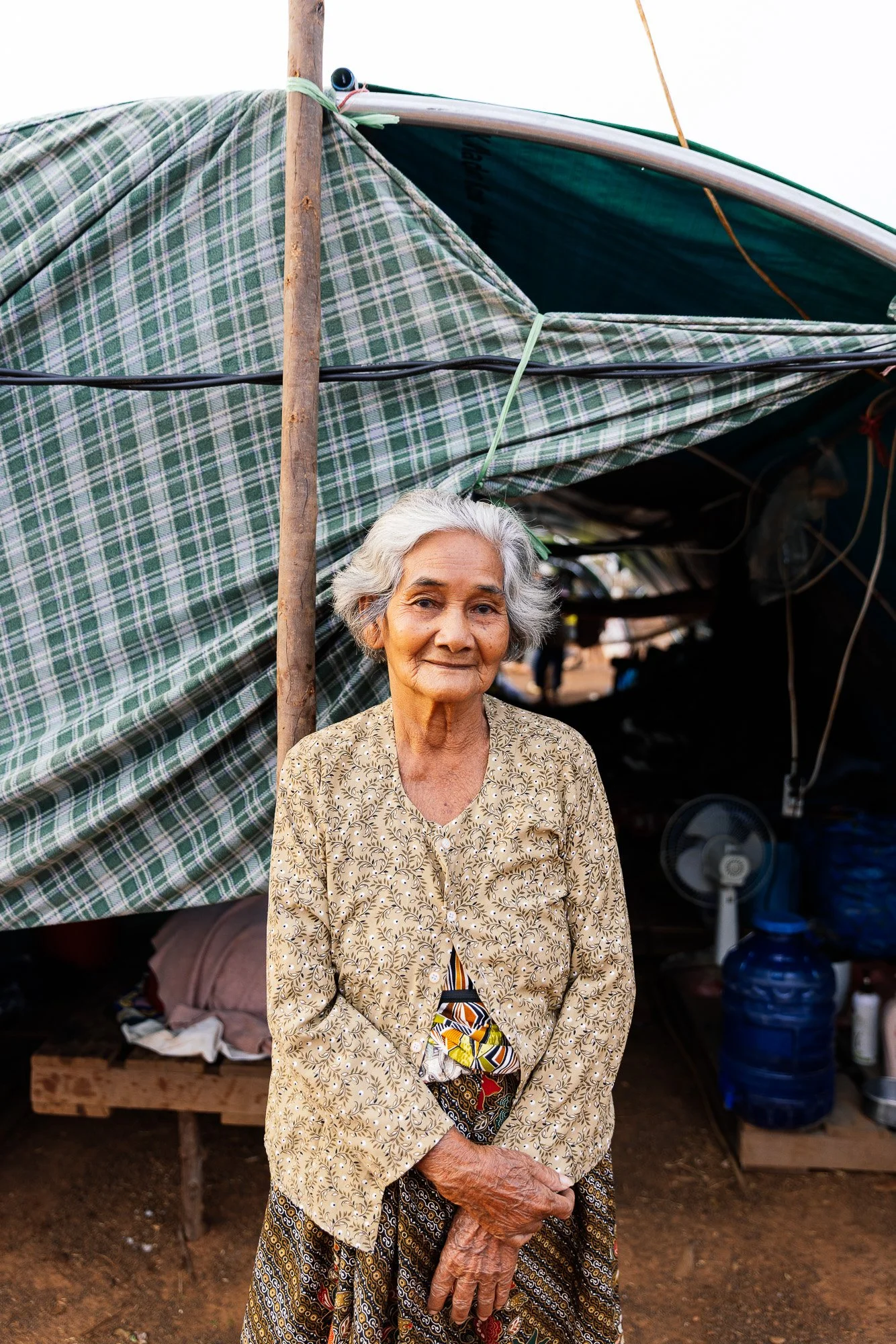
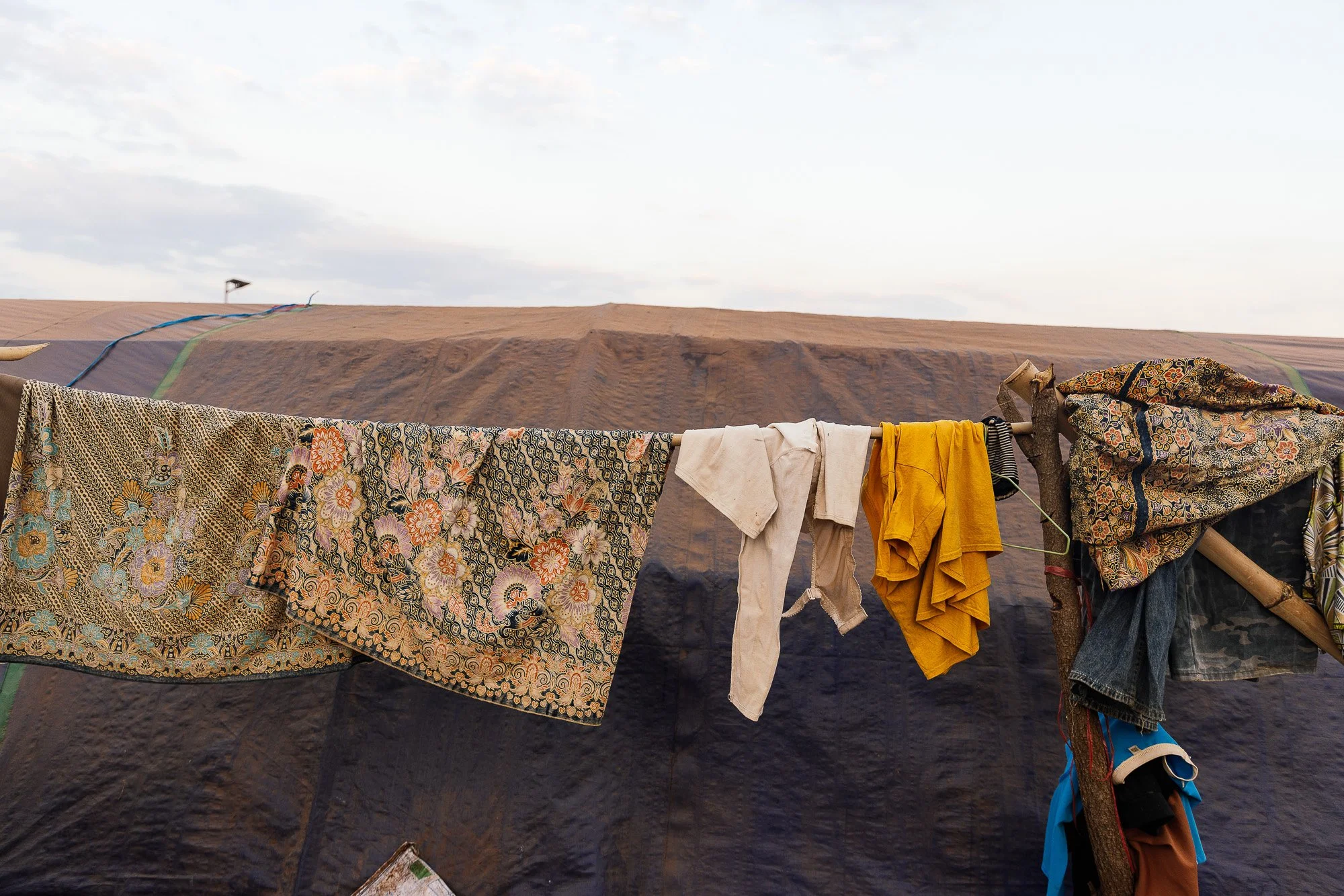
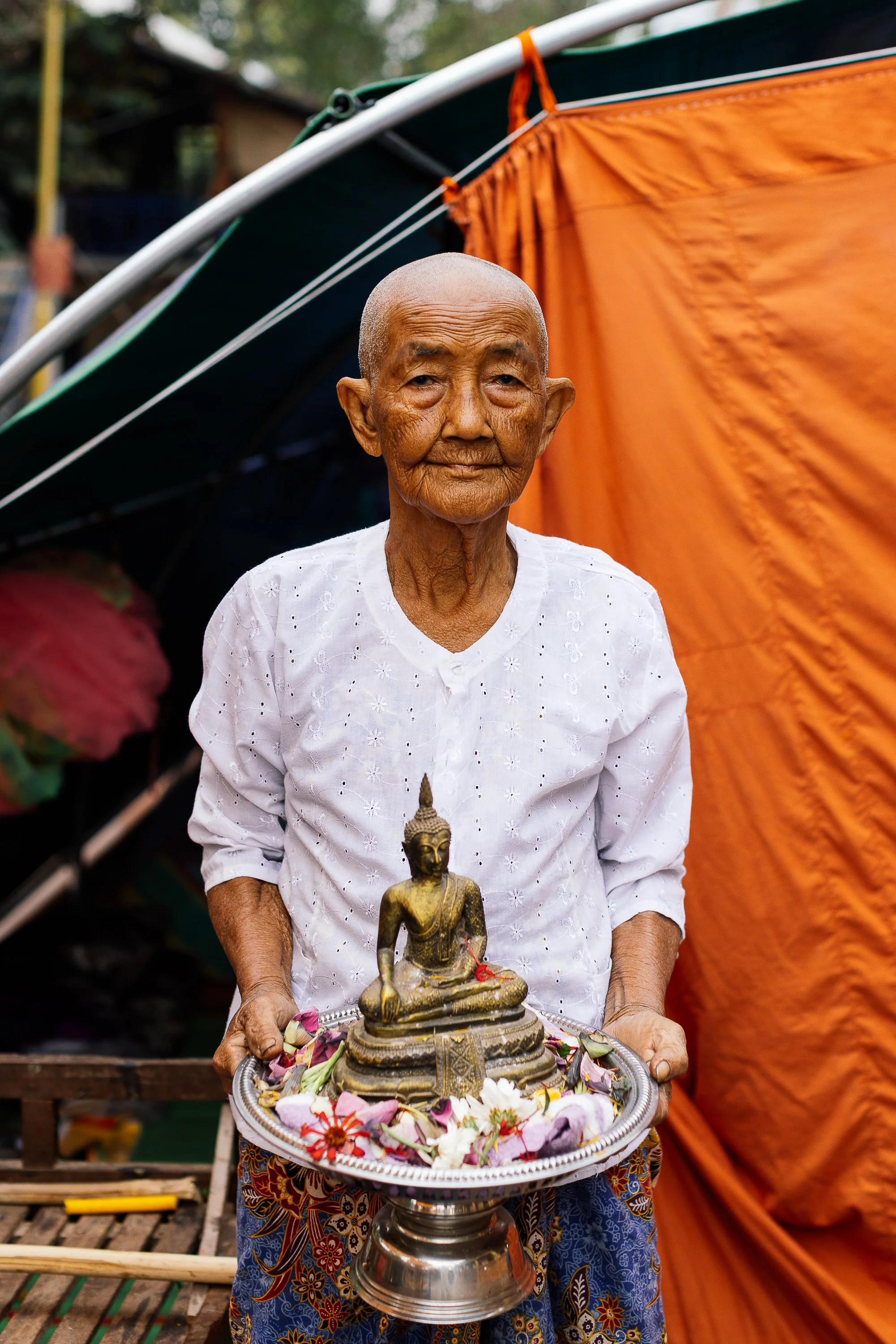
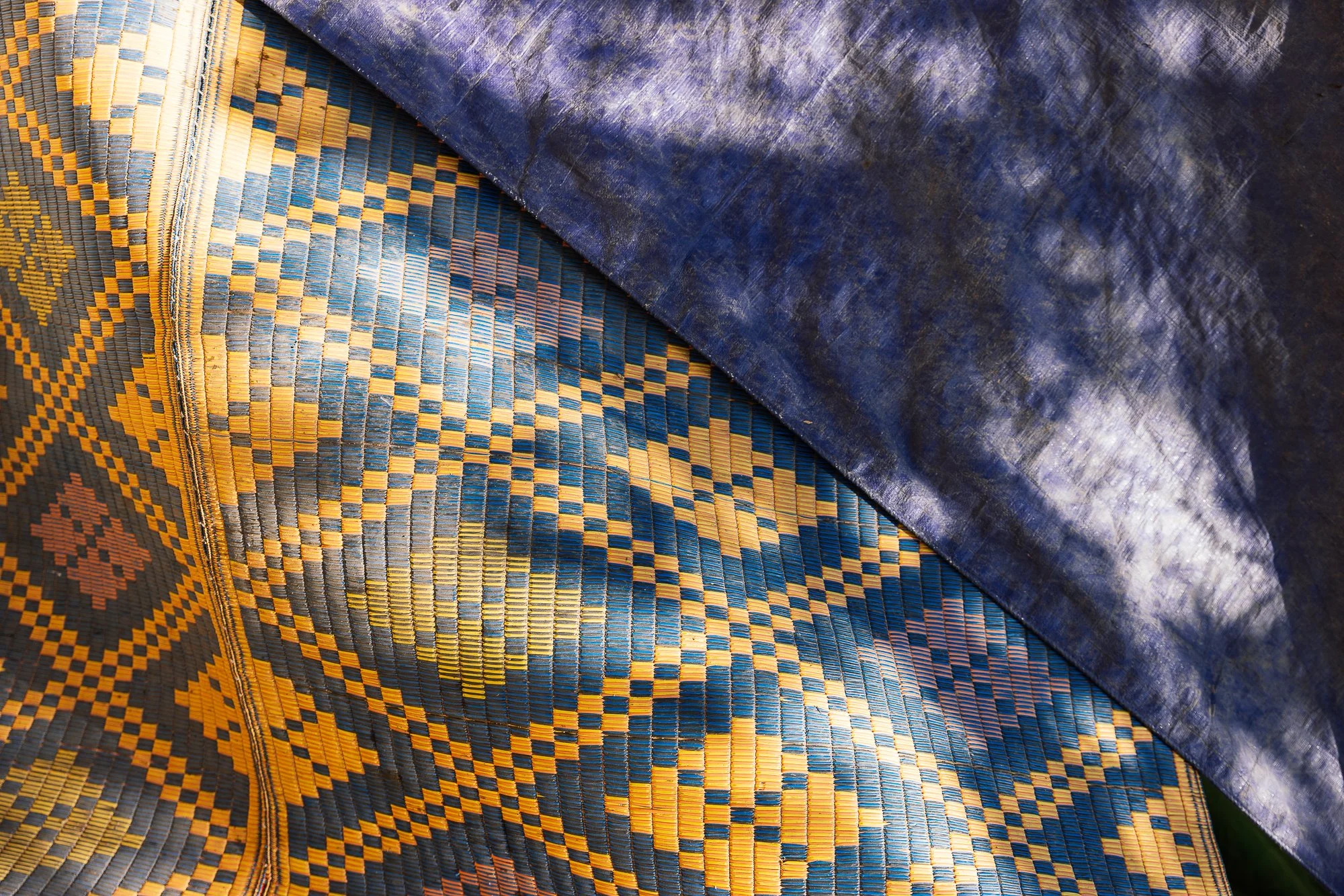
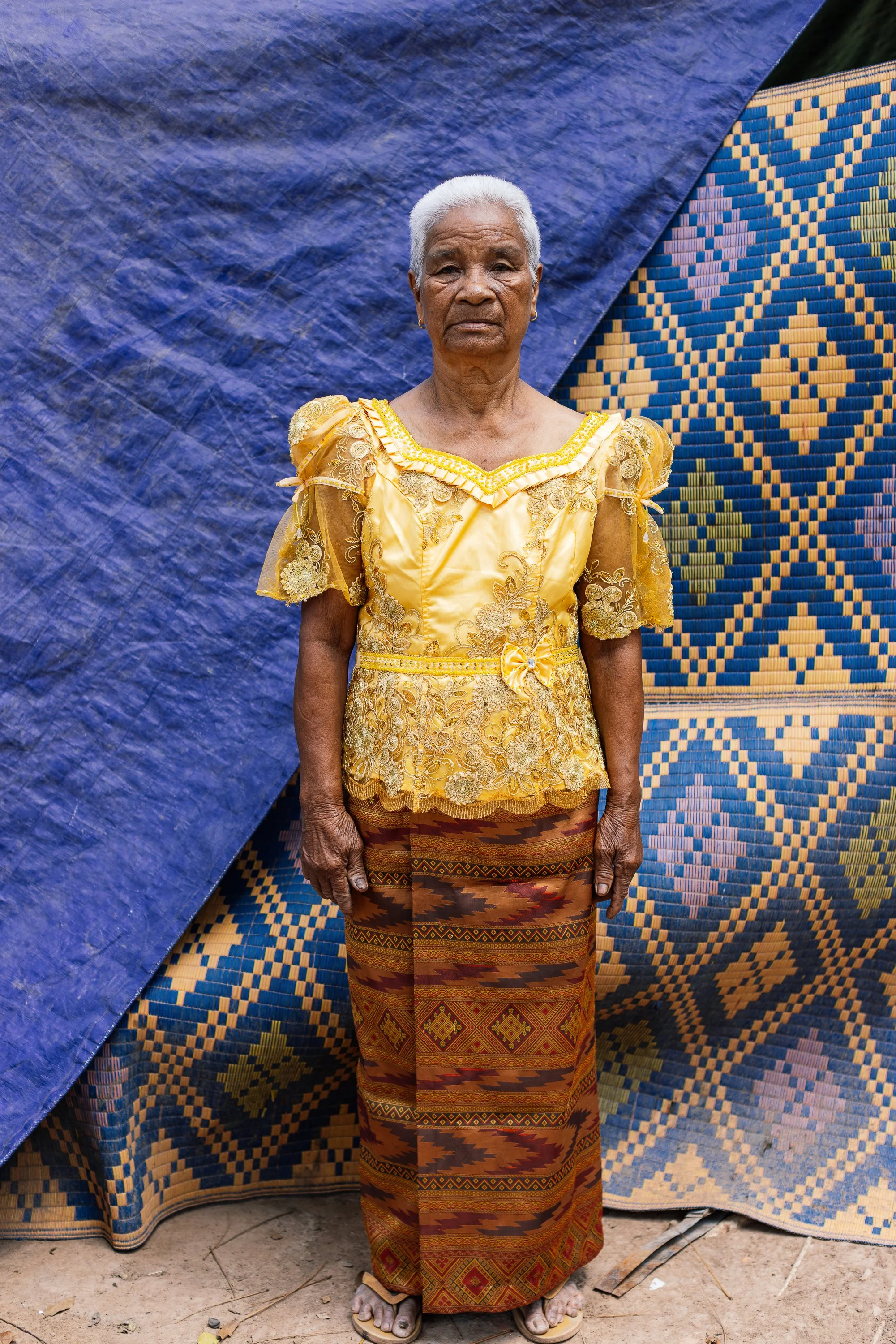
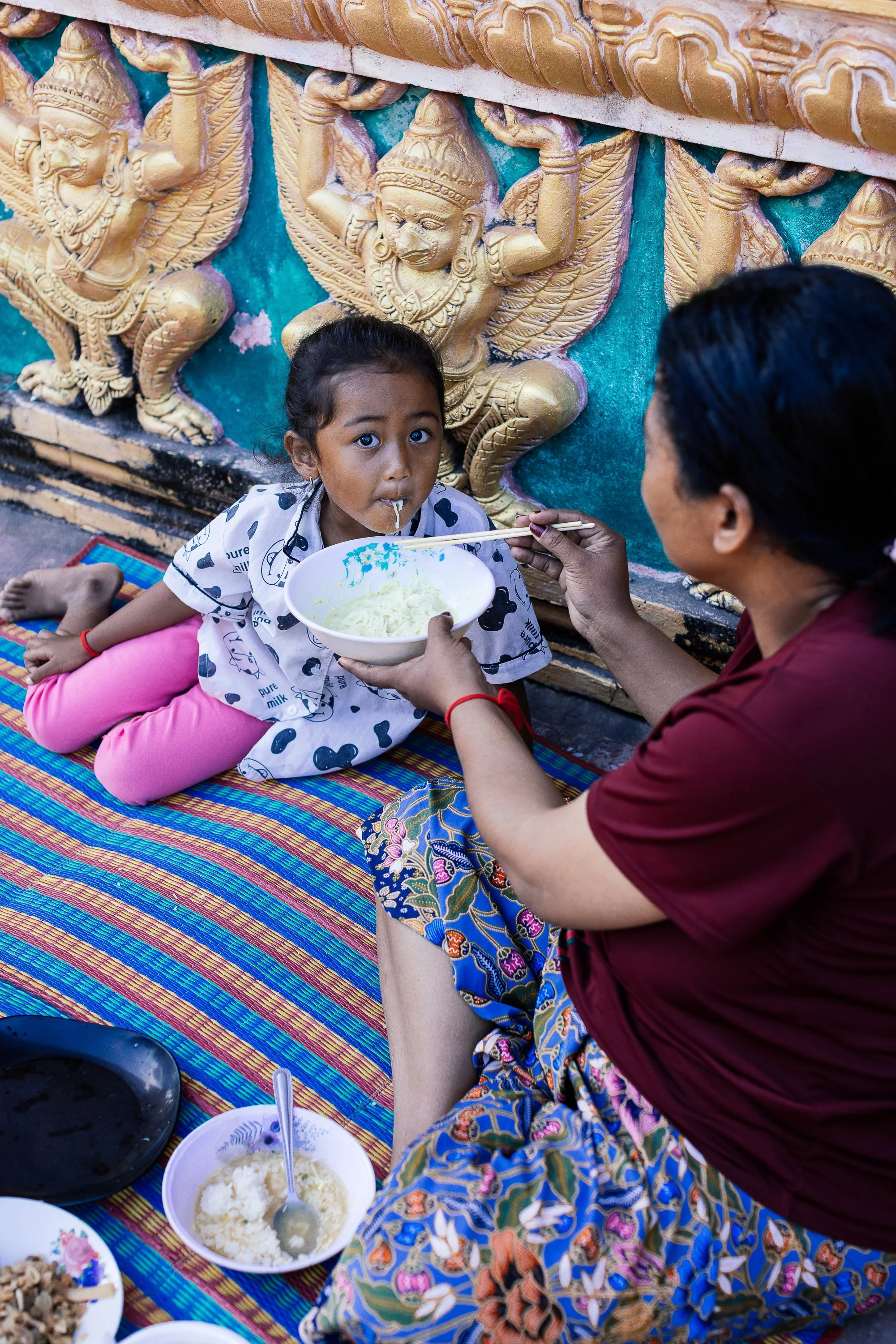
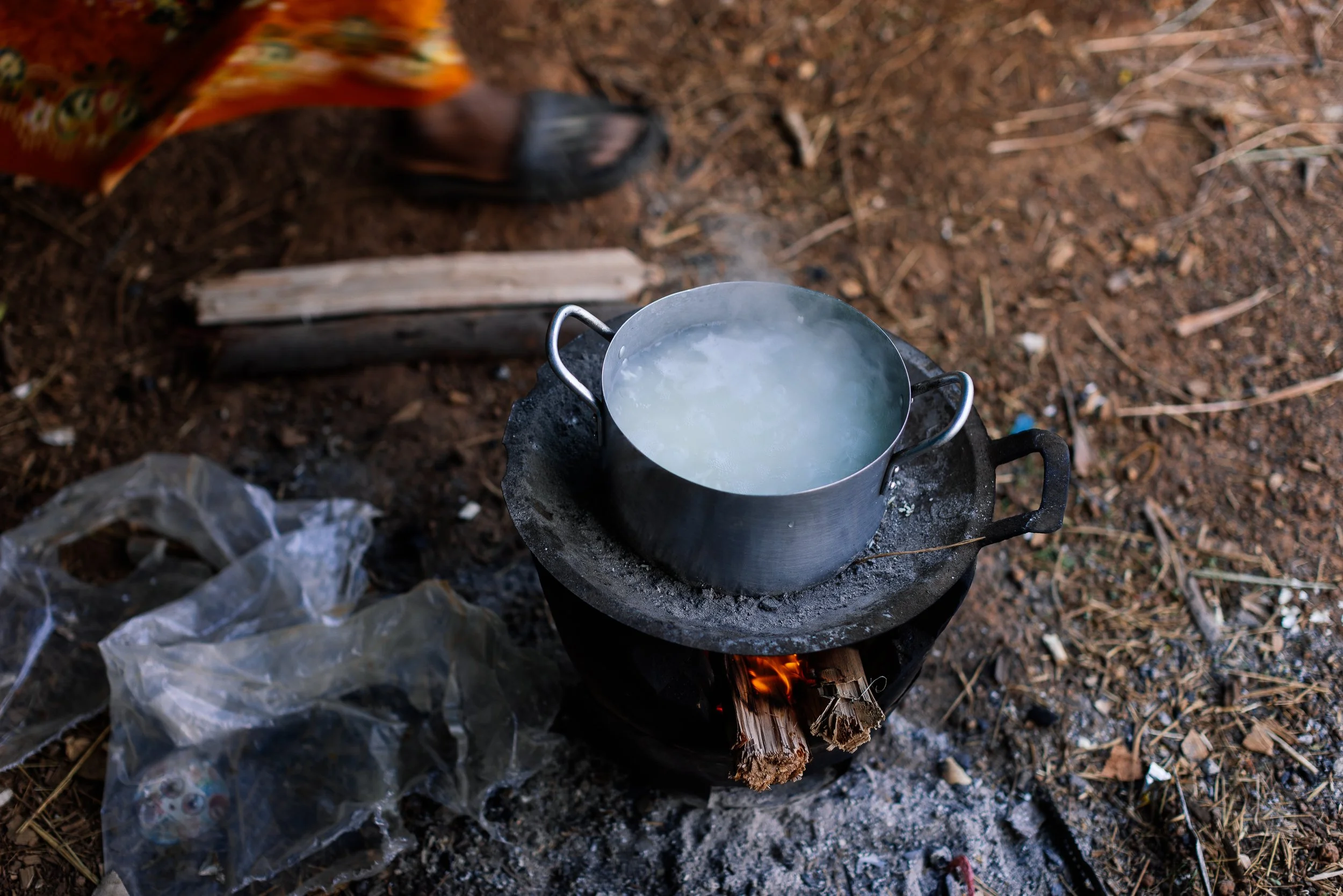
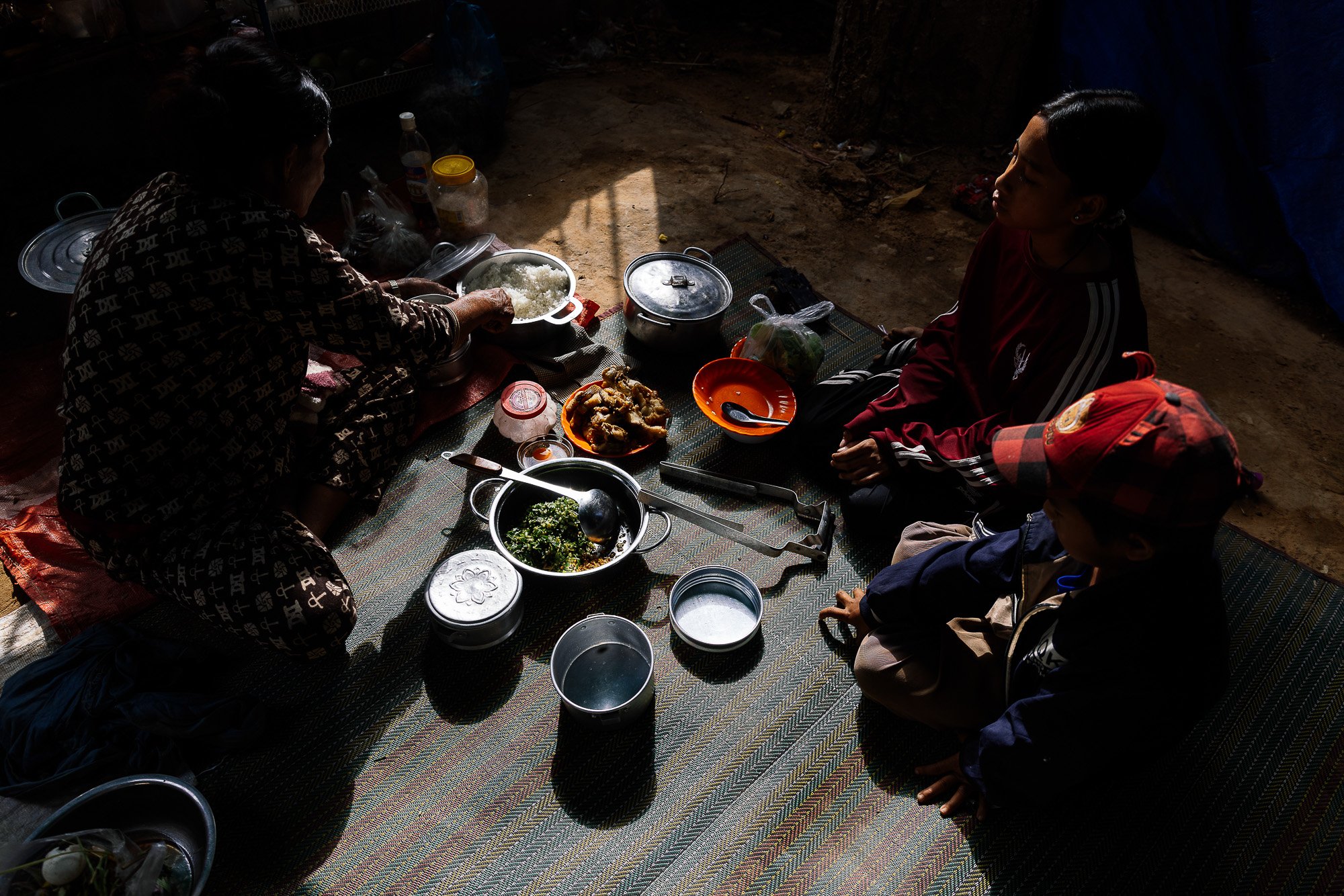
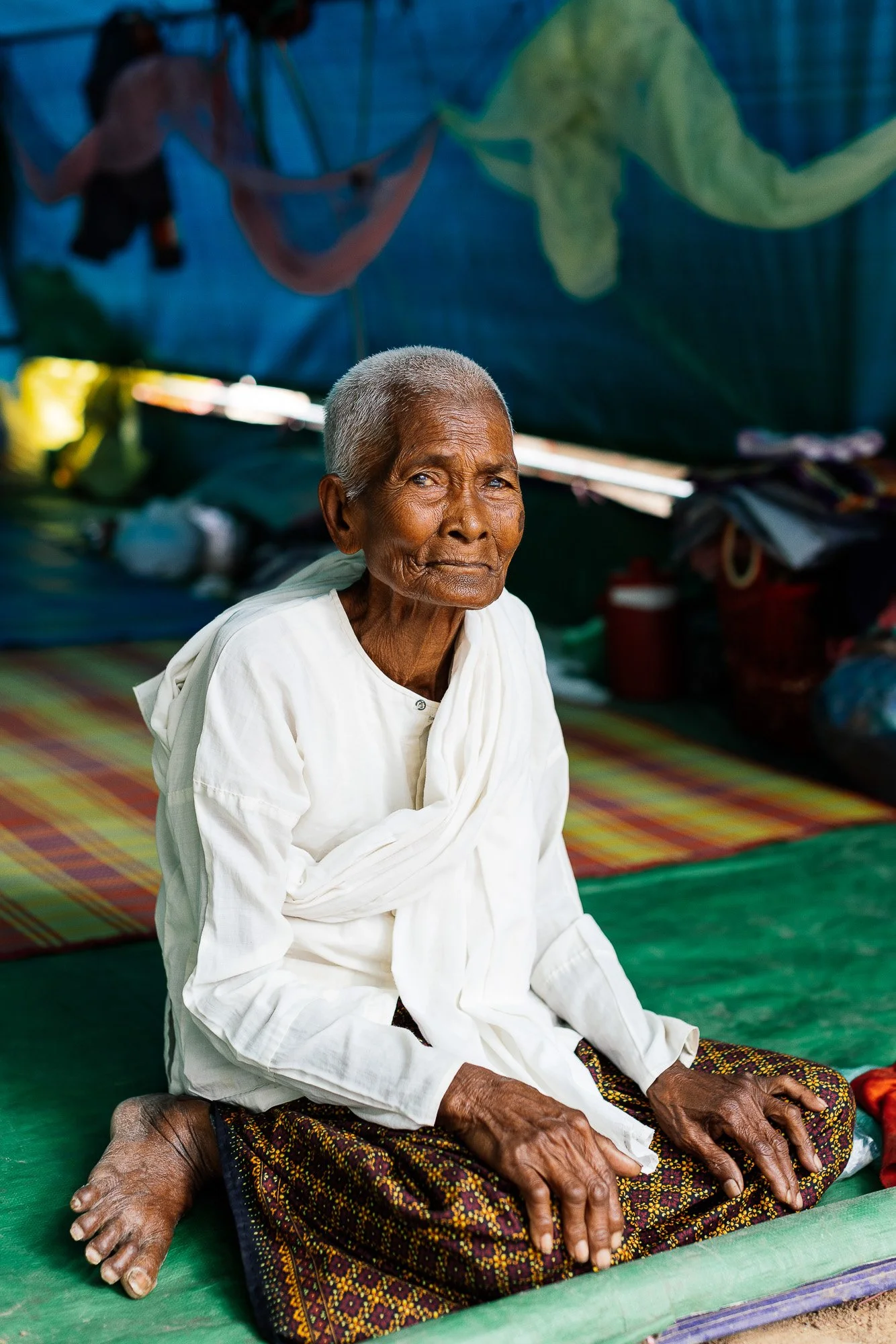
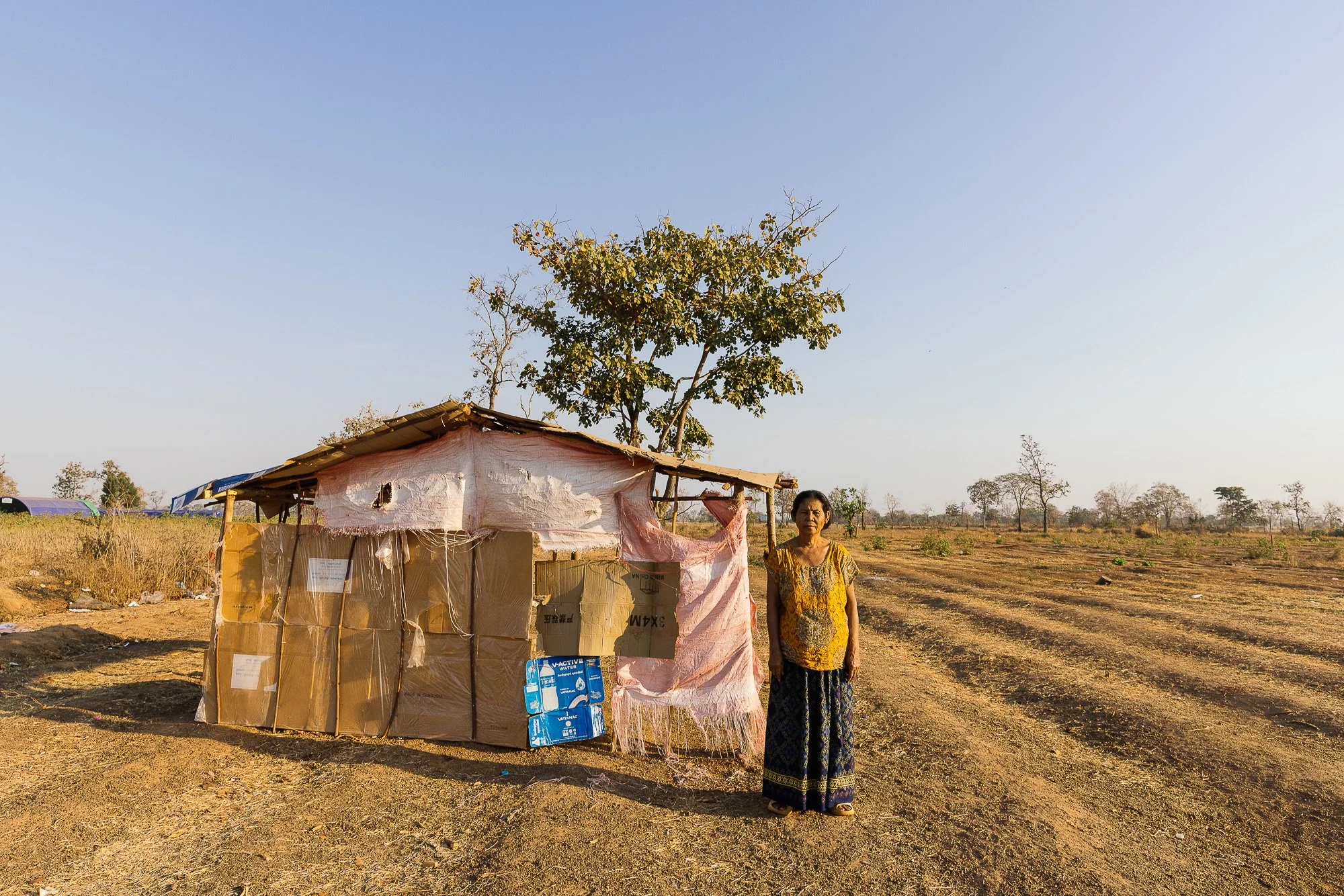
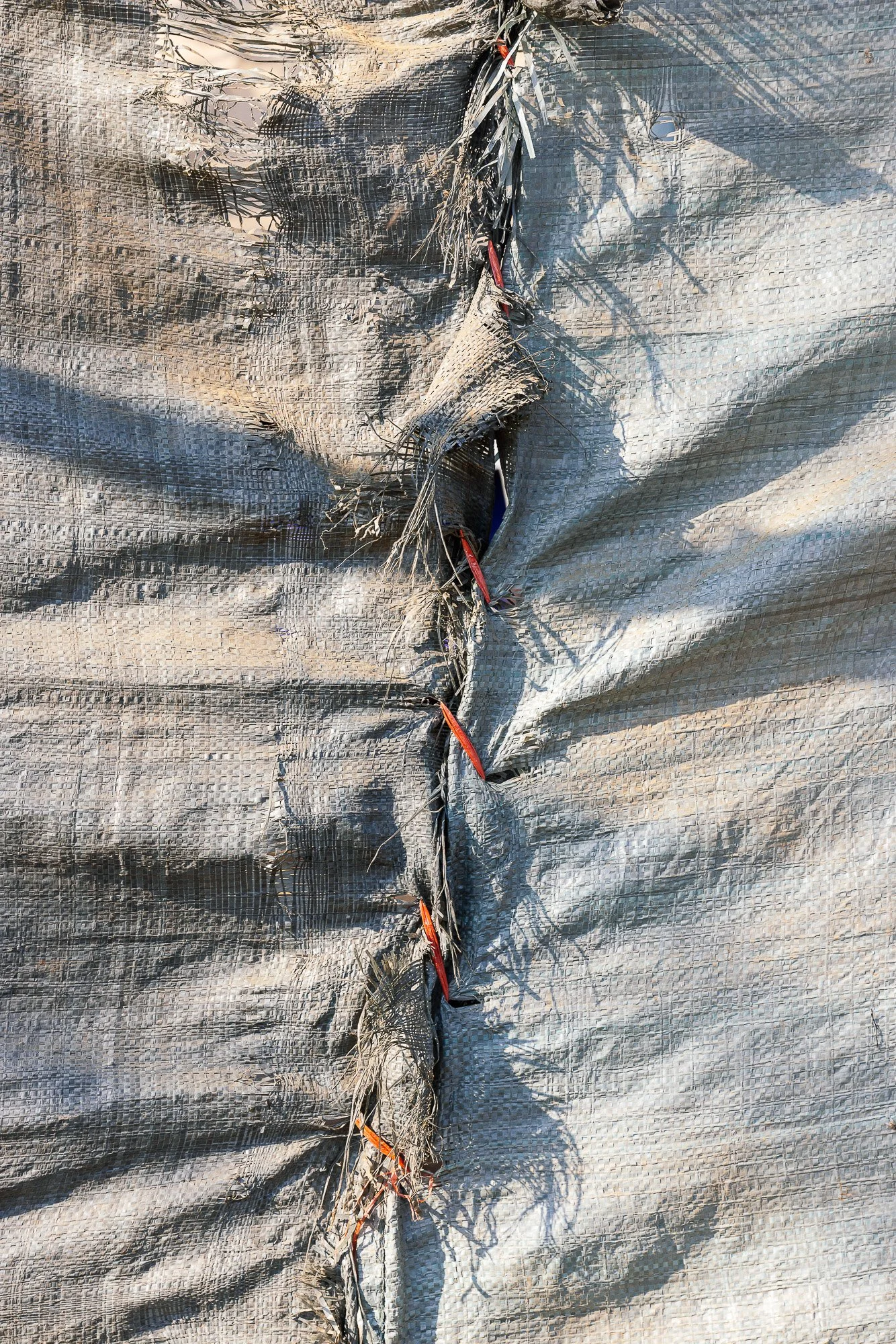
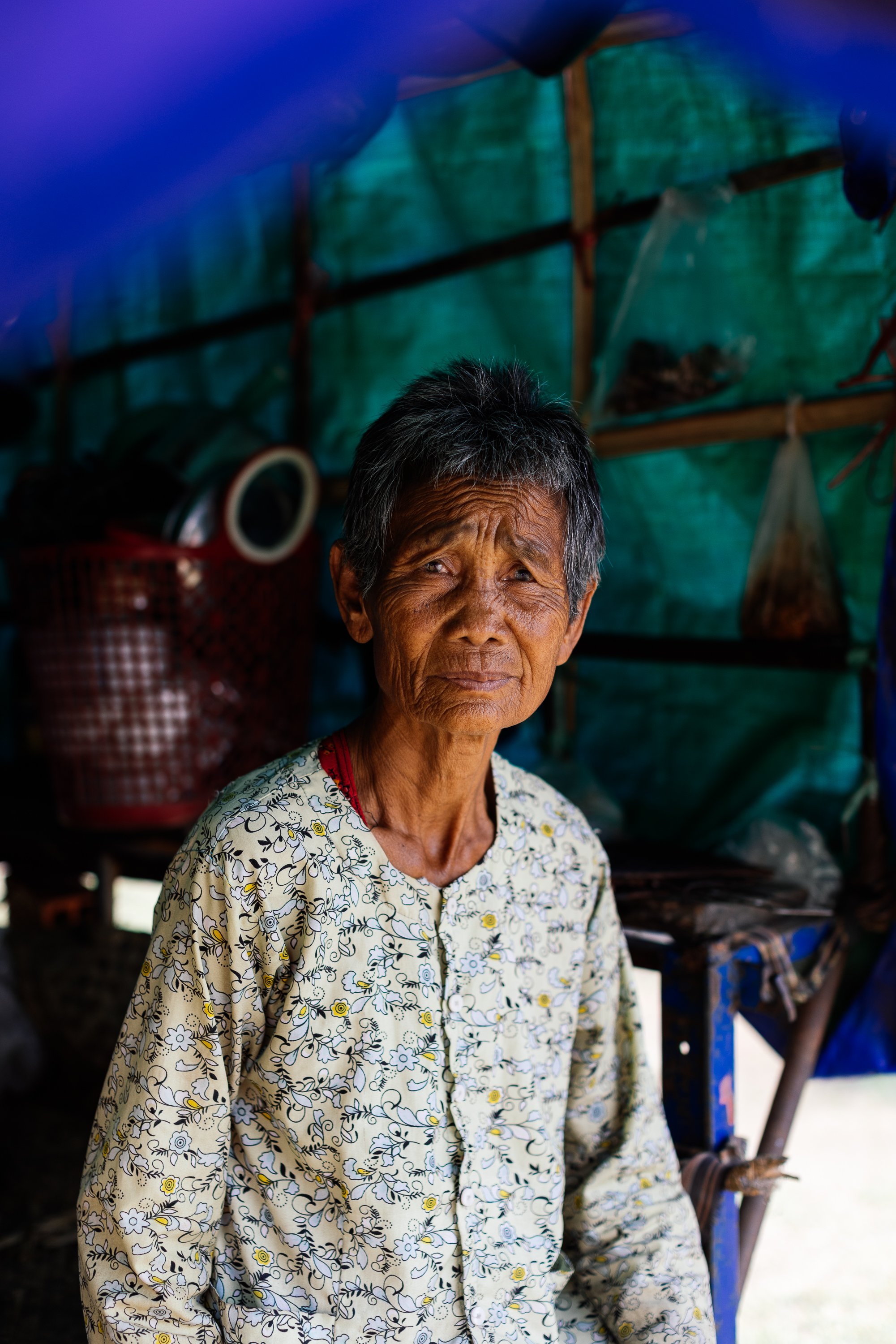
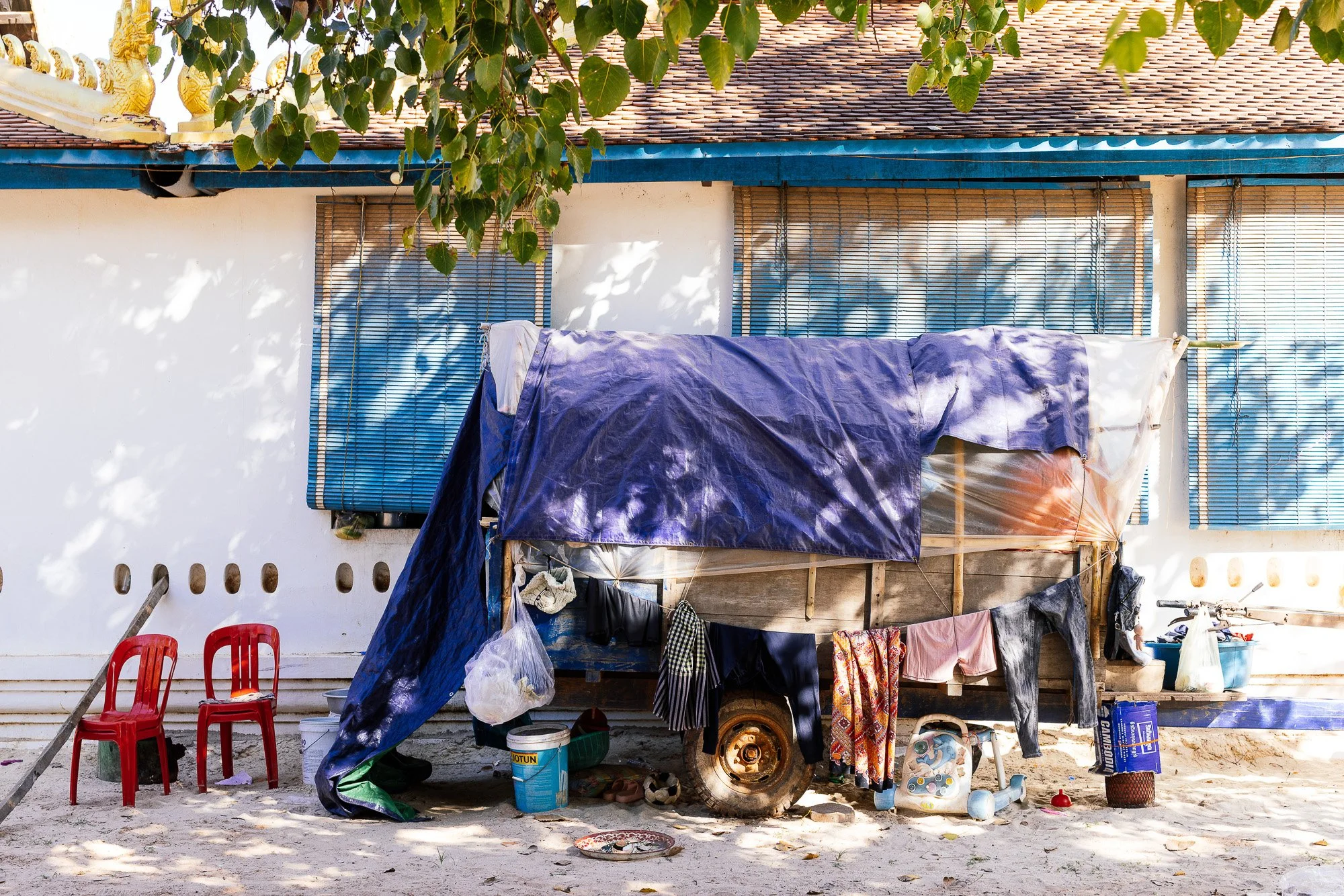
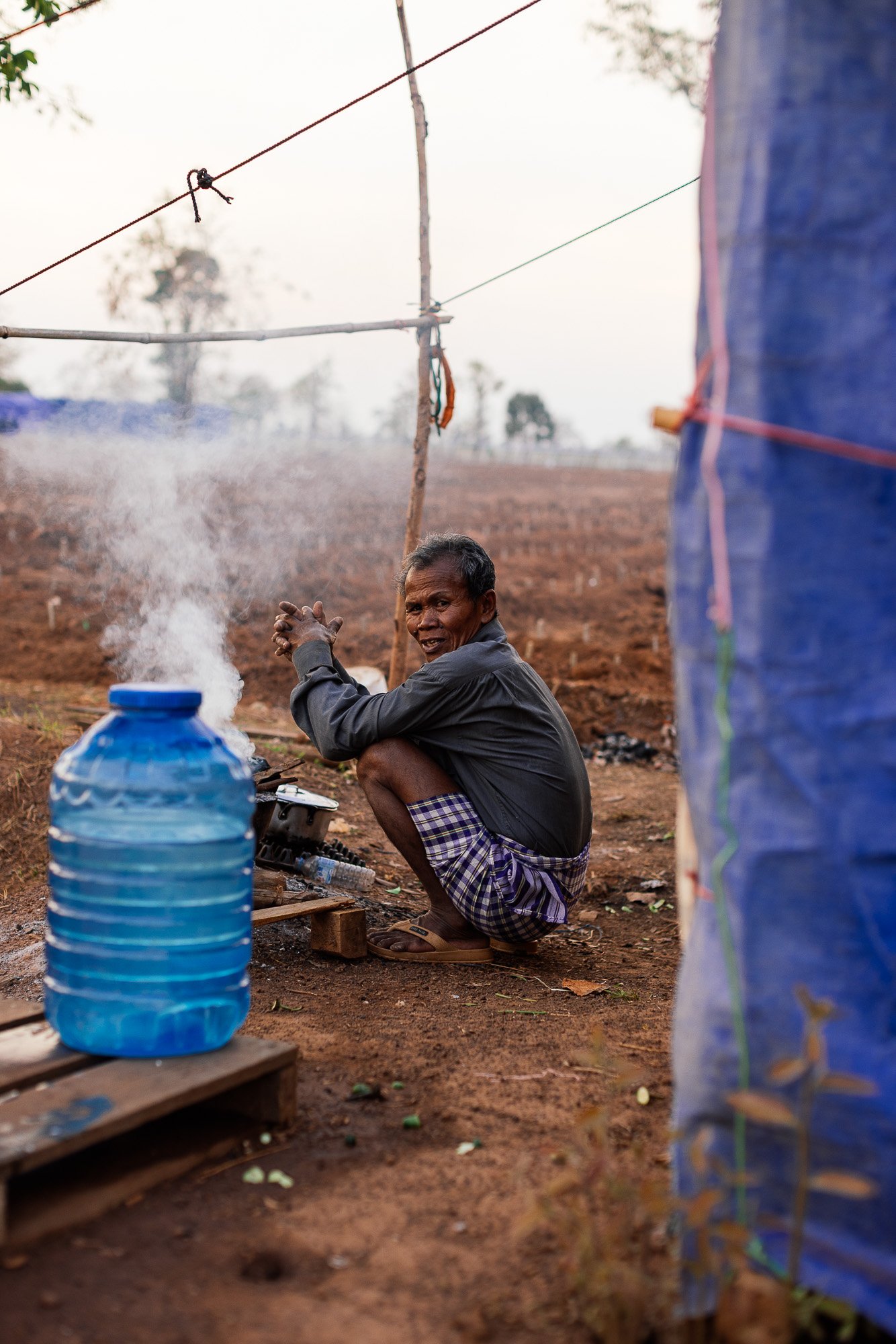
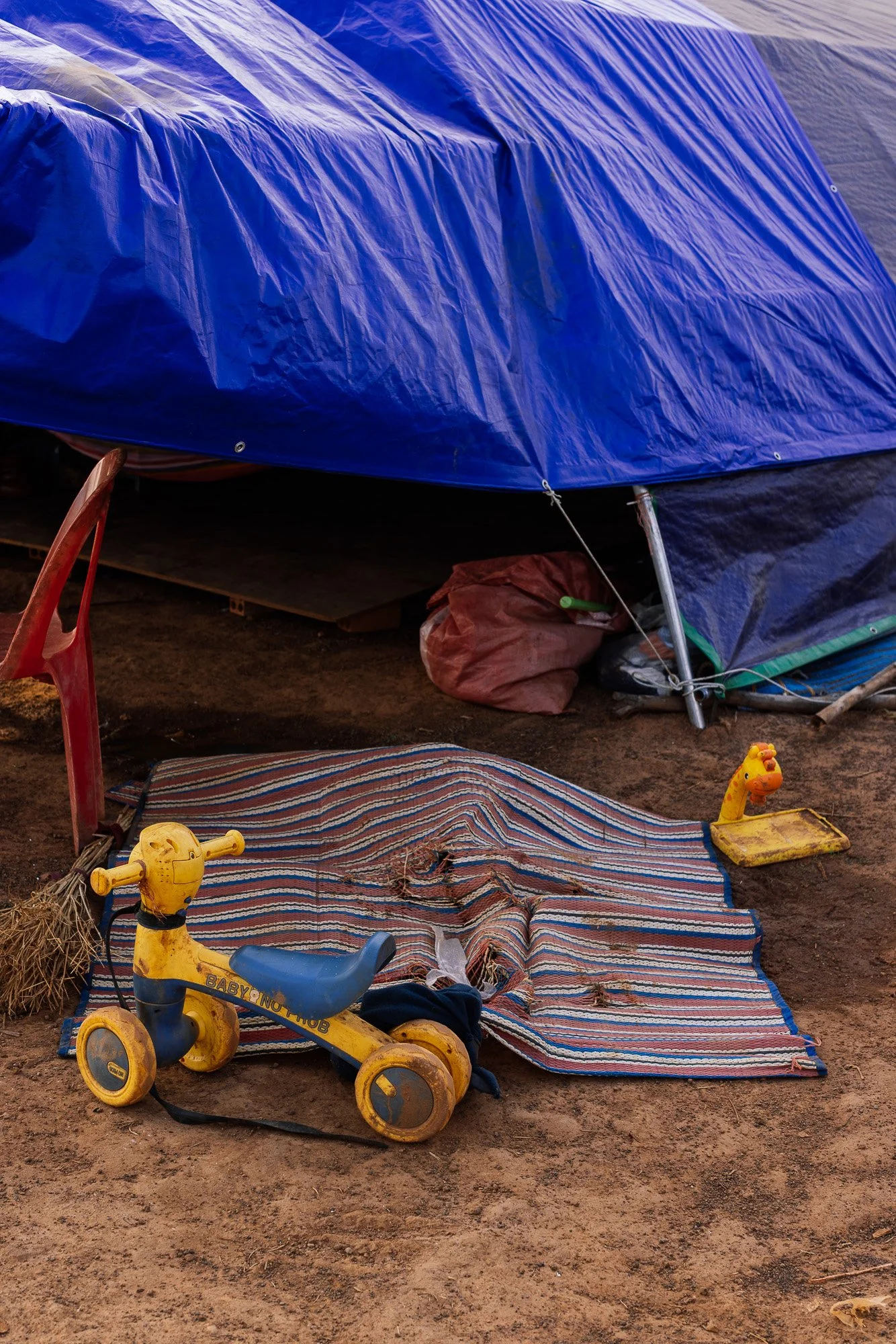
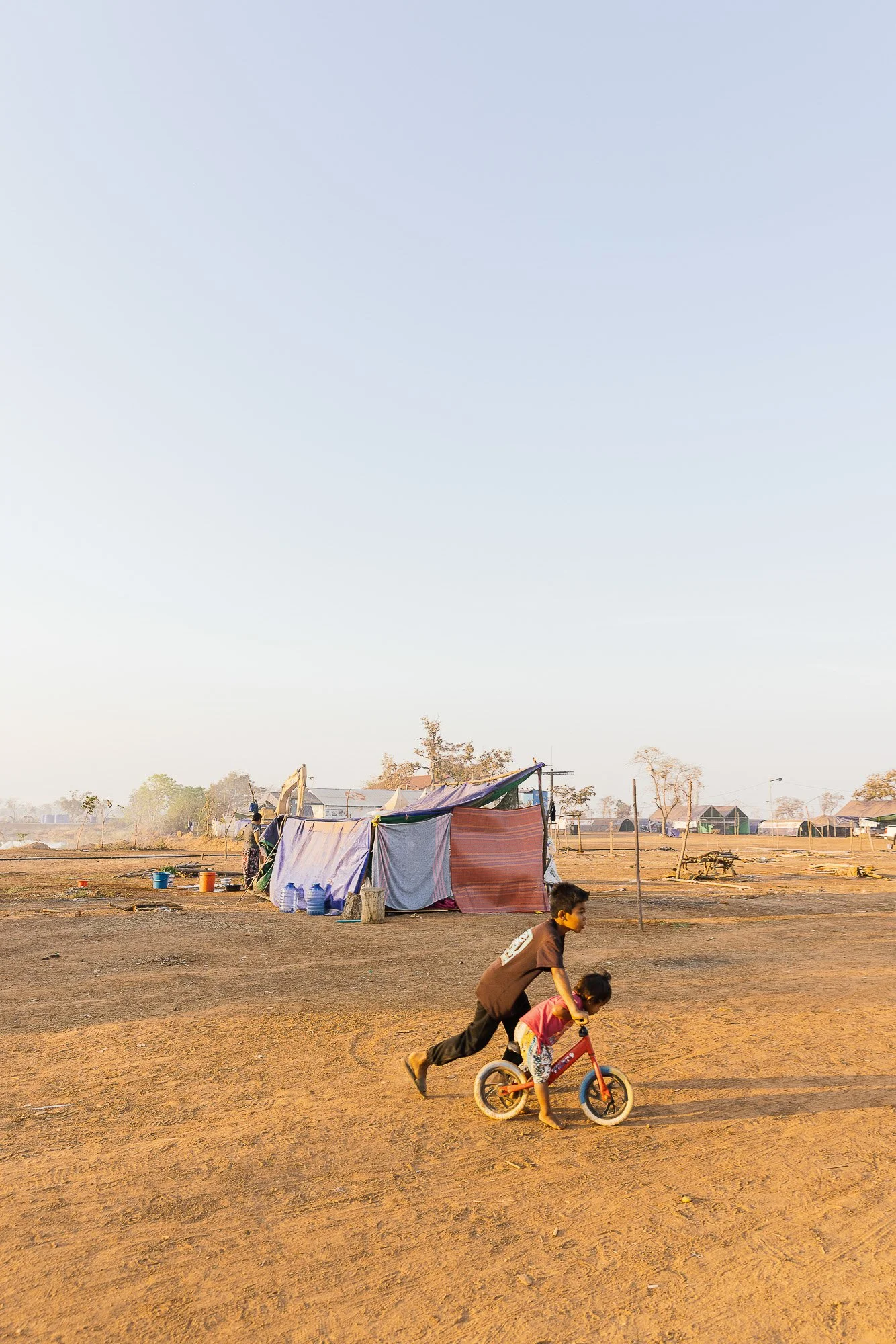
The work develops through ongoing photographic research in displacement camps along the Thai–Cambodian border, where families have taken refuge after fleeing violence and instability in nearby regions. Within these settlements, shelters constructed from tarpaulins, salvaged wood, and reused textiles become spaces where everyday life continues. Cooking, resting, washing, and caring for children unfold within structures never intended to be permanent.
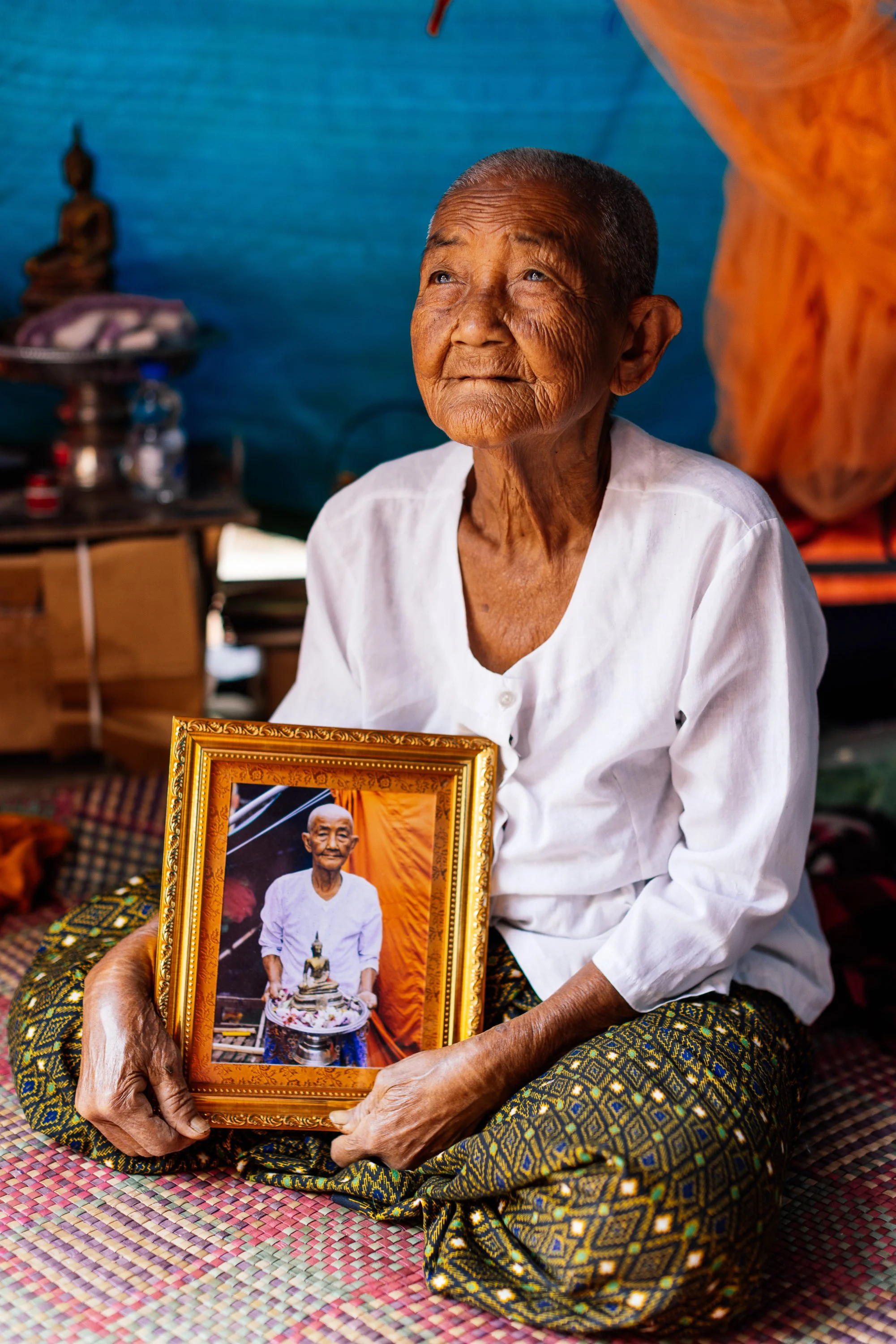
The project is informed by my own history. I was born in Cambodia during the civil war, and when I was eleven months old my family fled the country on foot. We spent four years living in refugee camps along the Thai–Cambodian border before eventually resettling abroad. Only one or two photographs remain from that period of my life. That absence has shaped my relationship to images and archives.
Now living again in Cambodia, I approach this project from within that history, conscious of how photographs can act as traces when other forms of record disappear.
Snarm is part of an ongoing body of work that continues to evolve through long-term engagement.